
The Installation Process: What to Expect with Countertop Installation
Upgrading countertops can dramatically transform the look, usability, and long-term value of a kitchen or bathroom. From the moment homeowners begin evaluating materials to the final cleaning after installation, each step in the process contributes to the durability and visual appeal of the finished space. Understanding what happens during countertop installation helps reduce uncertainty and allows homeowners to prepare their homes for a smooth project. When expectations are clear, the installation process becomes far less stressful and far more rewarding.
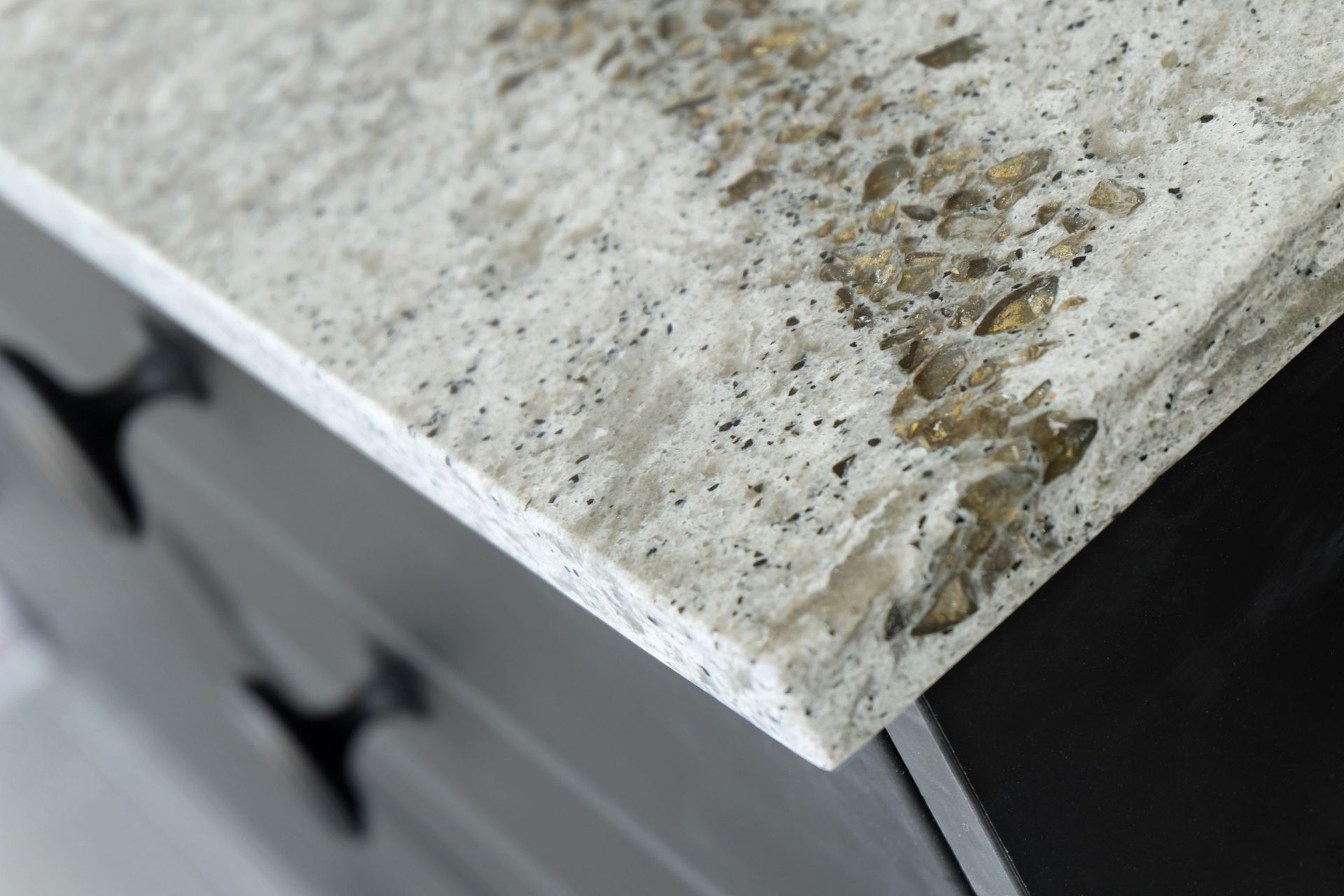
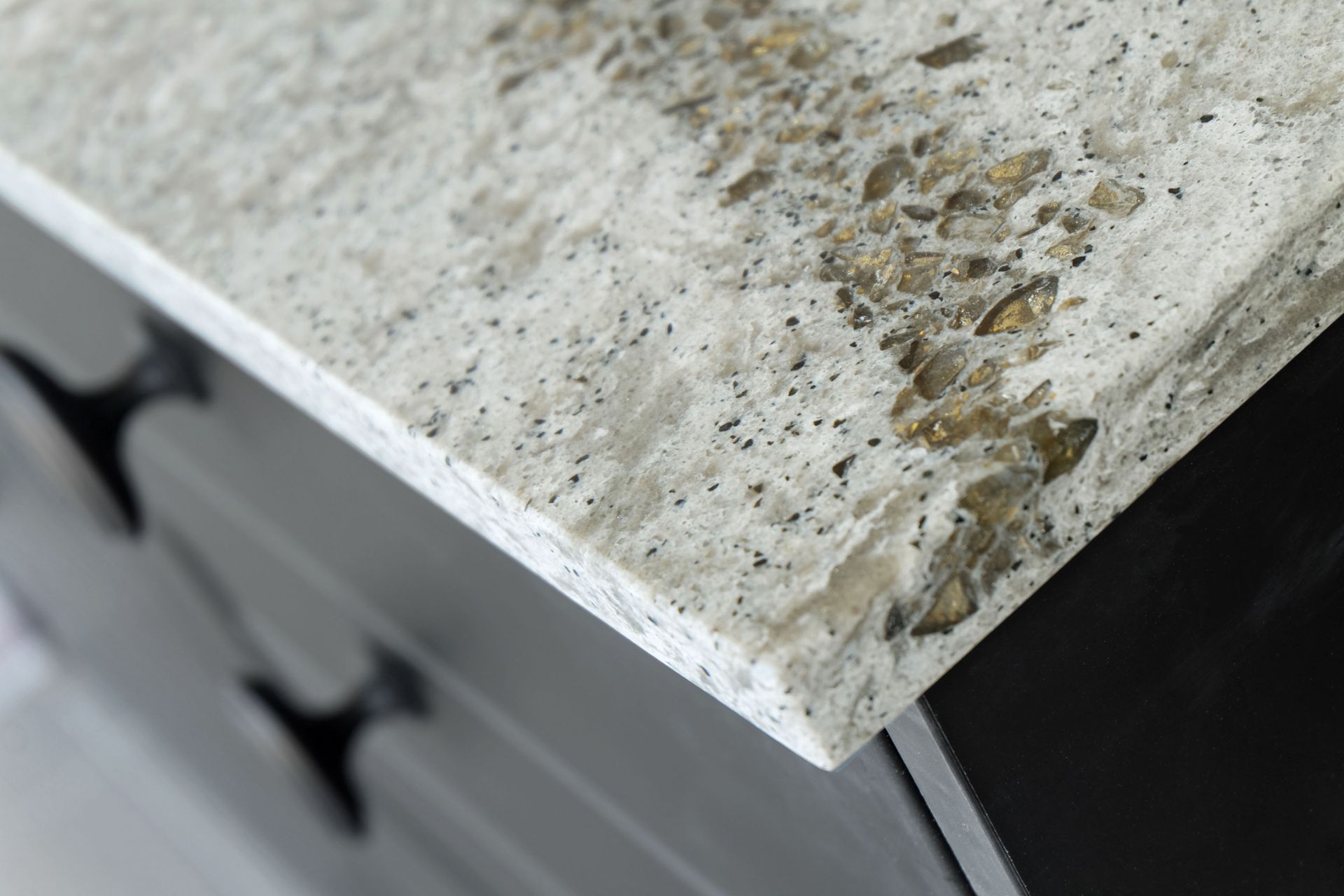
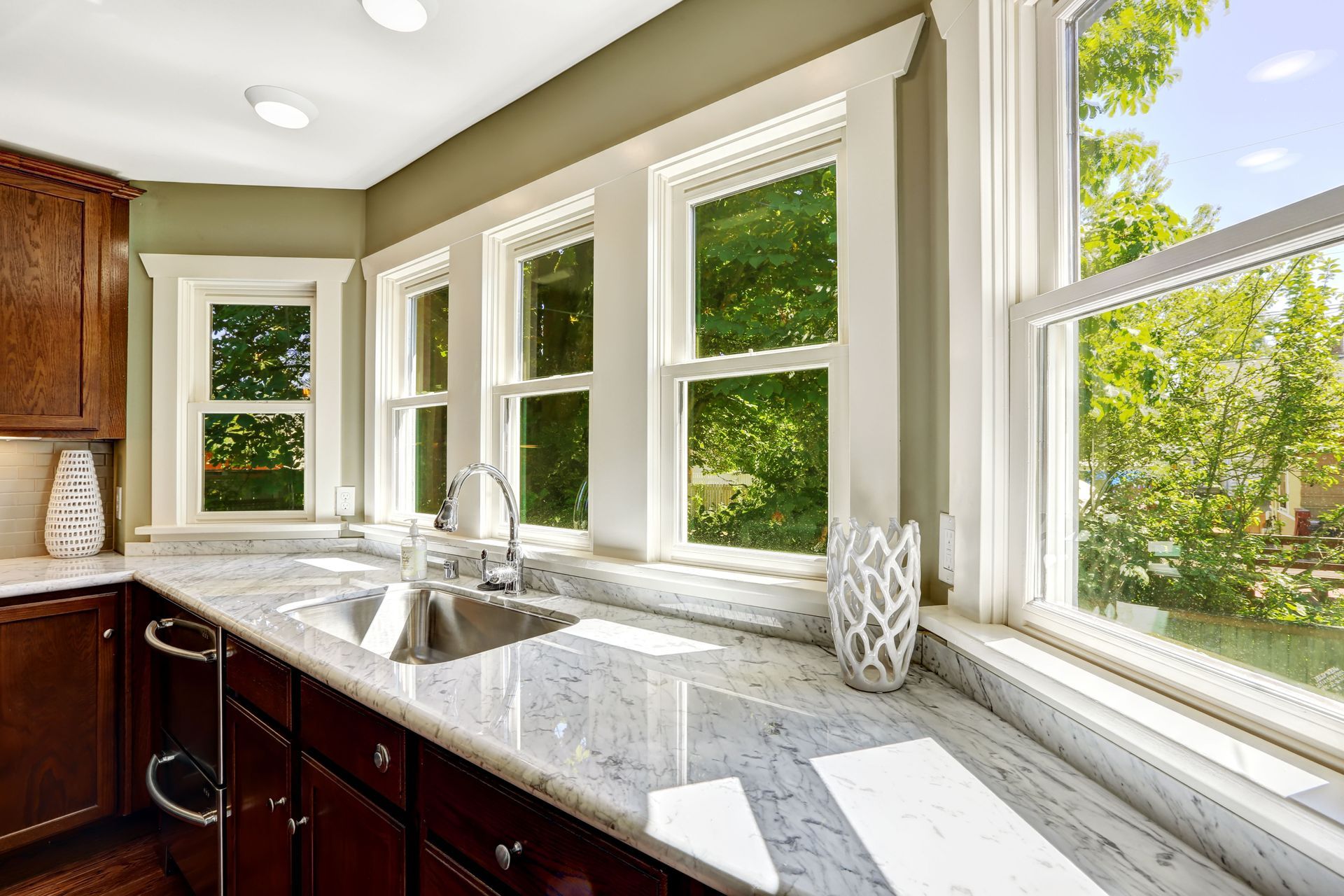
Many homeowners gravitate toward natural stone options because of their strength and timeless appearance. A granite countertop remains one of the most sought-after choices thanks to its durability, natural patterns, and ability to complement many design styles. Whether installed in a modern kitchen, a traditional bathroom, or an outdoor cooking space, quality countertops provide both practical workspace and a major design feature. By learning how installation works from start to finish, homeowners can better prepare for the experience and make decisions that benefit their home for years to come.
Selecting Materials and Planning the Project
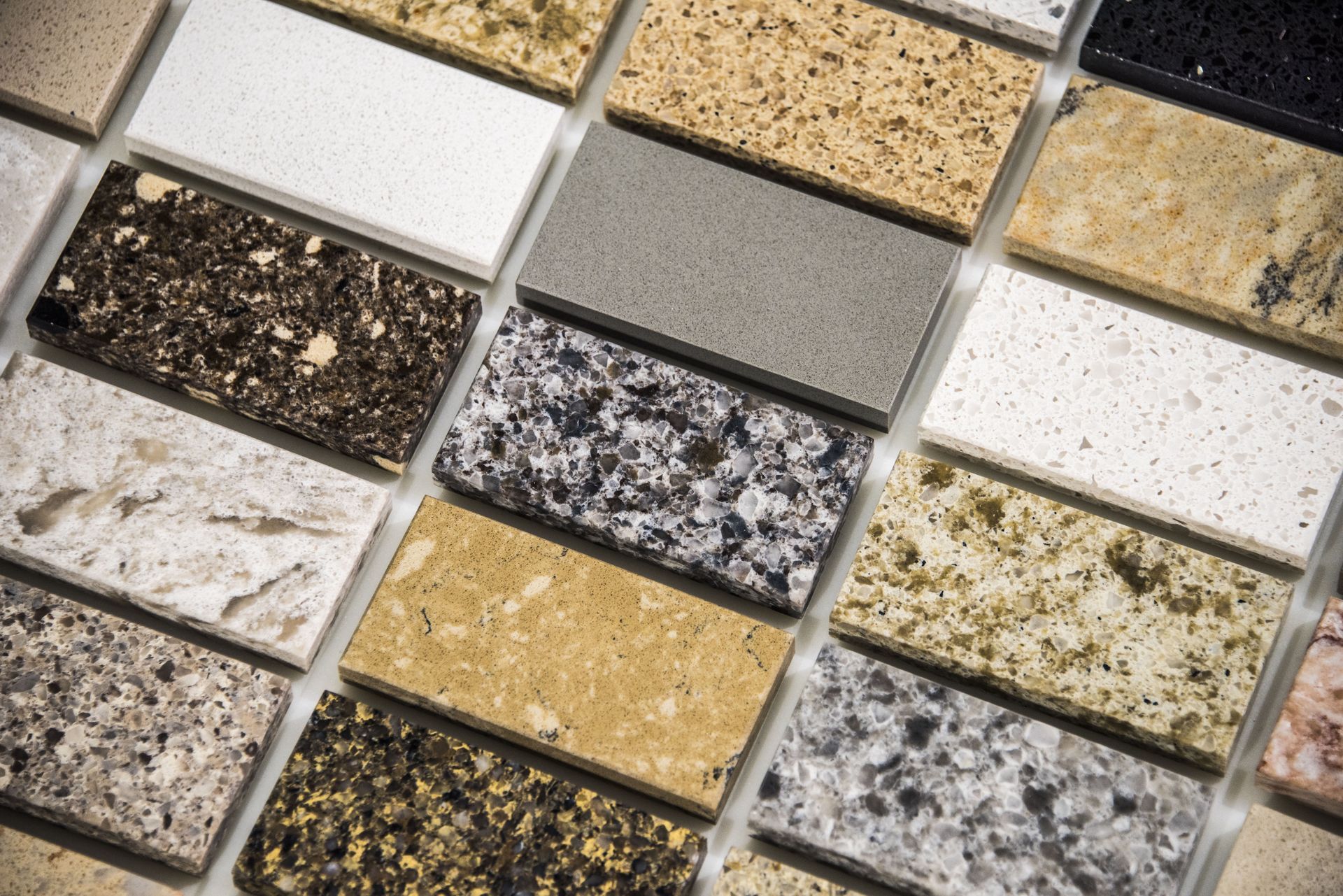
Choosing the right material is the first major step in the installation process. Homeowners typically compare several popular options, including granite, quartz, marble, and laminate. Each material offers unique characteristics that influence durability, maintenance, and overall appearance. Natural stone options often appeal to homeowners seeking distinctive patterns and long-term resilience. For example, a granite countertop provides natural variation in color and veining while offering strong resistance to heat and daily wear. Quartz surfaces, by contrast, offer a consistent look and require minimal sealing because they are engineered to be non-porous.
Budget considerations also influence the material selection process. Countertops vary widely in cost depending on the material, fabrication requirements, and installation complexity. However, the investment can contribute meaningfully to a home's value. According to Zero Down, well-made countertops can have an ROI of around 80%. This makes selecting a durable and visually appealing option a practical decision for homeowners looking to enhance both everyday usability and long-term property appeal. Choosing a granite countertop in particular often balances beauty and resilience, making it a popular option for homeowners planning renovations.
Design coordination is another important factor during the planning stage. Countertops should complement cabinetry, wall colors, flooring, and overall kitchen or bathroom layout. Lighter surfaces may brighten smaller rooms, while darker stone can create dramatic contrast in contemporary designs. Texture and finish also play a role, with polished surfaces offering shine and honed finishes creating a softer appearance. Taking time to evaluate these design elements ensures the selected countertop integrates naturally with the rest of the space rather than appearing disconnected from the room's overall style.
Preparing the Space for Installation
Preparation begins long before the installation team arrives with the finished countertop pieces. Professional installers typically start with precise measurements and templates to ensure the stone or surface material will fit perfectly within the cabinetry layout. These templates guide fabrication specialists when cutting the countertop slabs, ensuring accurate placement of sink openings, edges, and seams. Precise measurements are critical because even small miscalculations can lead to alignment issues or delays once installation begins.
Existing countertops must usually be removed before the new surfaces can be installed. This process involves detaching the old material from cabinets and carefully lifting it away without damaging the surrounding structures. In some cases, homeowners may choose to remove the countertops themselves ahead of time, but professional removal often helps prevent accidental damage to cabinetry or plumbing connections. Clearing the installation area also allows installers to work more efficiently and ensures tools and equipment can be moved safely throughout the workspace.
Preparing the surrounding space is equally important. Homeowners are typically advised to remove items from nearby counters, protect floors, and ensure easy access to the kitchen or bathroom area. Cabinets should be inspected to confirm they can properly support the weight of the new surface. Natural stone materials can be heavy, and strong cabinet bases are necessary for long-term stability. A properly prepared space allows installers to position the granite countertop securely and complete the work without unnecessary interruptions.
Managing Installation Day Activities
Installation day represents the final phase of the countertop upgrade. The installation team typically begins by reviewing measurements, inspecting the cabinetry base, and planning the placement of each slab or section. Large stone pieces are carefully carried into the home and positioned according to the template layout prepared during fabrication. Because materials like granite are heavy and fragile before installation, professional handling is essential to prevent cracks or damage during transport and placement.
Once the pieces are positioned, installers secure the countertop to the cabinet bases using specialized adhesives and mounting techniques. Seam placement is carefully aligned to minimize visibility and create a smooth transition between sections. When installing a granite countertop, professionals often take additional time to ensure edges line up cleanly and that the surface sits perfectly level across the cabinets. Precision during this stage determines how seamless and durable the finished installation will appear.
Occasionally, small adjustments must be made during installation to accommodate slight variations in walls or cabinetry. Experienced installers may trim edges, refine seam alignment, or modify cutouts to ensure the countertop fits the space perfectly. Throughout this process, safety remains a priority, with installers using protective equipment and specialized tools to handle heavy materials. By the end of installation day, the countertop should be securely in place and ready for finishing touches.
Completing Post-Installation Finishing Steps
After the countertop is installed, the final finishing process begins. Installers typically clean the surface to remove dust and debris created during fabrication and installation. Natural stone materials may also receive a protective sealant that helps prevent moisture absorption and staining. Sealing enhances the longevity of surfaces like a granite countertop while preserving the stone's natural color and pattern.
Inspection is another important part of the post-installation process. Installers and homeowners review the completed work together, checking seams, edges, and alignment to ensure everything meets expectations. This is the time to address any small imperfections or adjustments that might still be needed. Minor corrections can often be completed quickly, ensuring the finished countertop meets professional standards and homeowner satisfaction.
Administrative details may also follow the installation itself. Final payments, warranty documentation, and maintenance instructions are commonly provided once the work is complete. Warranties vary depending on the material and installation provider, but they often cover structural defects or workmanship issues. These final steps officially conclude the installation project and transition responsibility for care and maintenance to the homeowner.
Maintaining Countertops for Long-Term Performance
Proper maintenance helps ensure new countertops maintain their appearance and durability over time. Daily care typically involves wiping the surface with mild soap and warm water to remove spills and residue. Harsh chemicals and abrasive cleaning pads should generally be avoided because they can damage finishes or weaken protective sealants. Consistent gentle cleaning helps maintain the natural shine and smooth texture of stone surfaces.
Preventive care also plays a significant role in preserving countertops. Cutting boards and trivets help protect surfaces from scratches and heat damage, while quickly cleaning spills can reduce the risk of staining. Although a granite countertop is known for its durability, routine precautions still help maintain its condition. These habits allow homeowners to enjoy the beauty of natural stone while minimizing potential wear from daily kitchen activities.
Installing new countertops represents an exciting step in improving the comfort and design of a home. From selecting materials and preparing the space to completing installation and maintaining the finished surface, every stage contributes to the overall success of the project. Careful planning, skilled installation, and ongoing maintenance ensure the countertops continue to enhance both the functionality and beauty of the space for years to come. For more information about the services that we offer, reach out to our incredible team at Zen Stoneworks today!





Share On: