
How to Choose the Right Granite Countertop for Your Home
Selecting the ideal granite countertop involves a detailed evaluation of raw material characteristics, modern structural designs, and complex installation logistics to ensure a completely seamless integration into your living space. Homeowners navigate an expansive market filled with various styles, grades, and finishes that directly impact both long-term aesthetic value and everyday functional performance. By aligning architectural layout requirements with flexible financial budgets, individuals can confidently select an authentic natural stone surface that enhances operational capacity and elevates interior ambiance. This comprehensive guide delivers technical criteria and structural methodologies designed to facilitate an informed choice, establishing a durable framework for successful residential renovations and customized home design transformations.
Investigating Material Attributes and Natural Performance Capabilities
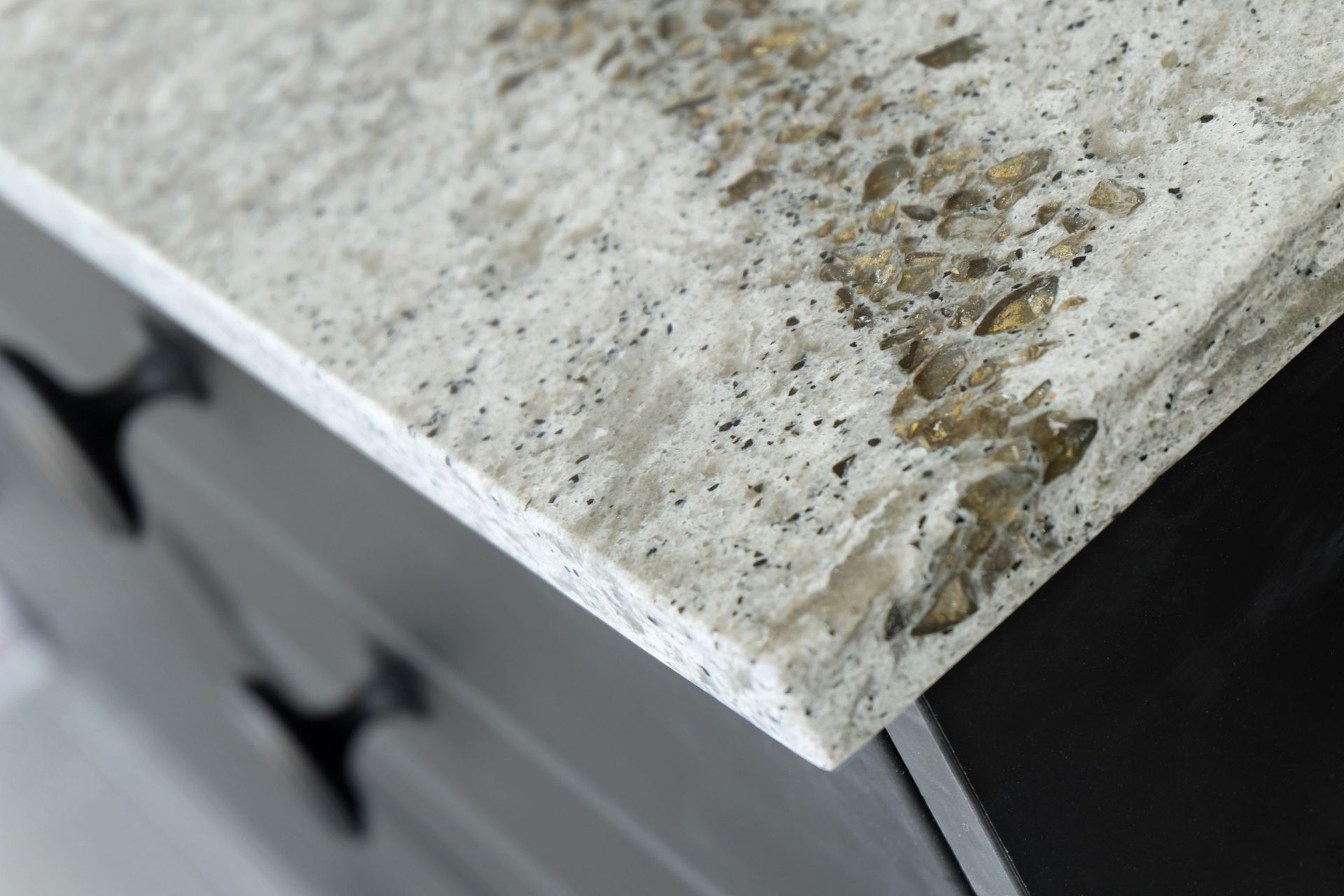
Evaluating the physical composition of natural raw stone reveals distinct structural advantages that render a premium granite countertop an exceptional surface material for high-traffic environments. Composed primarily of quartz, feldspar, and minerals beautifully solidified deep beneath the earth's ancient crust, this authentic stone possesses unparalleled thermal resistance and structural density. According to The Spruce, granite countertops are made up of 100% stone, ensuring long-term structural integrity and supreme resilience against heavy daily wear. This mineral configuration prevents superficial scratching and resists thermal damage from direct contact with hot items, making it far superior to synthetic engineered alternatives available on the market today.
While the mechanical advantages remain substantial, homeowners must recognize that natural compositions necessitate precise, periodic maintenance routines to retain their impervious qualities. The microscopic porosity inherent in genuine stone requires the application of specialized sealants to prevent fluid absorption, surface discoloration, and bacterial infiltration within food preparation spaces. Comparing this material with engineered quartz highlights a distinct contrast: quartz provides uniform color maintenance but lacks the authentic depth, unique veining, and heat defiance found in genuine stone slabs. Consequently, interpreting these raw structural properties allows individuals to balance aesthetic expectations with clear, long-term preservation parameters before purchasing.
Assessing Structural Spatial Requirements and Residential Design Parameters
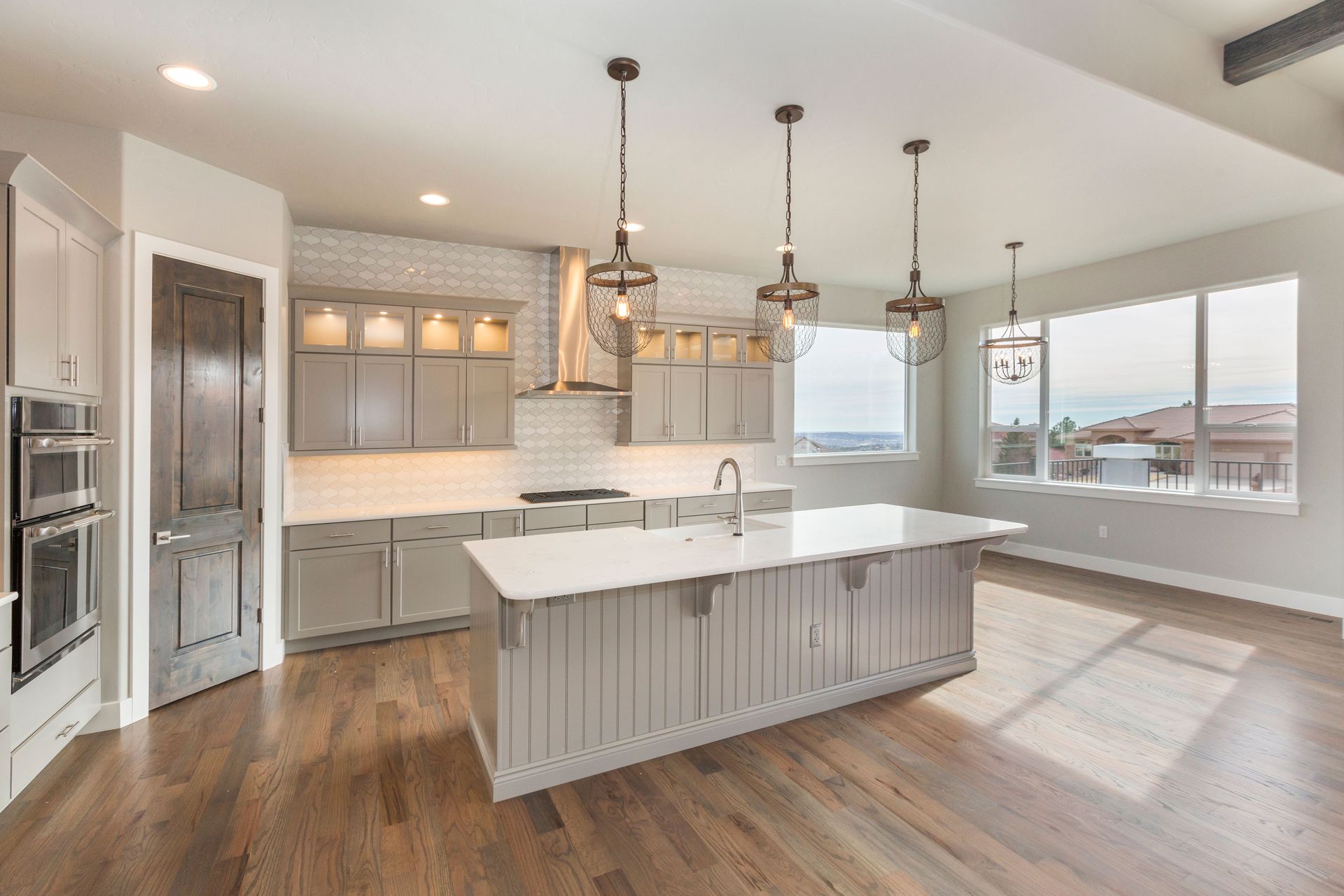
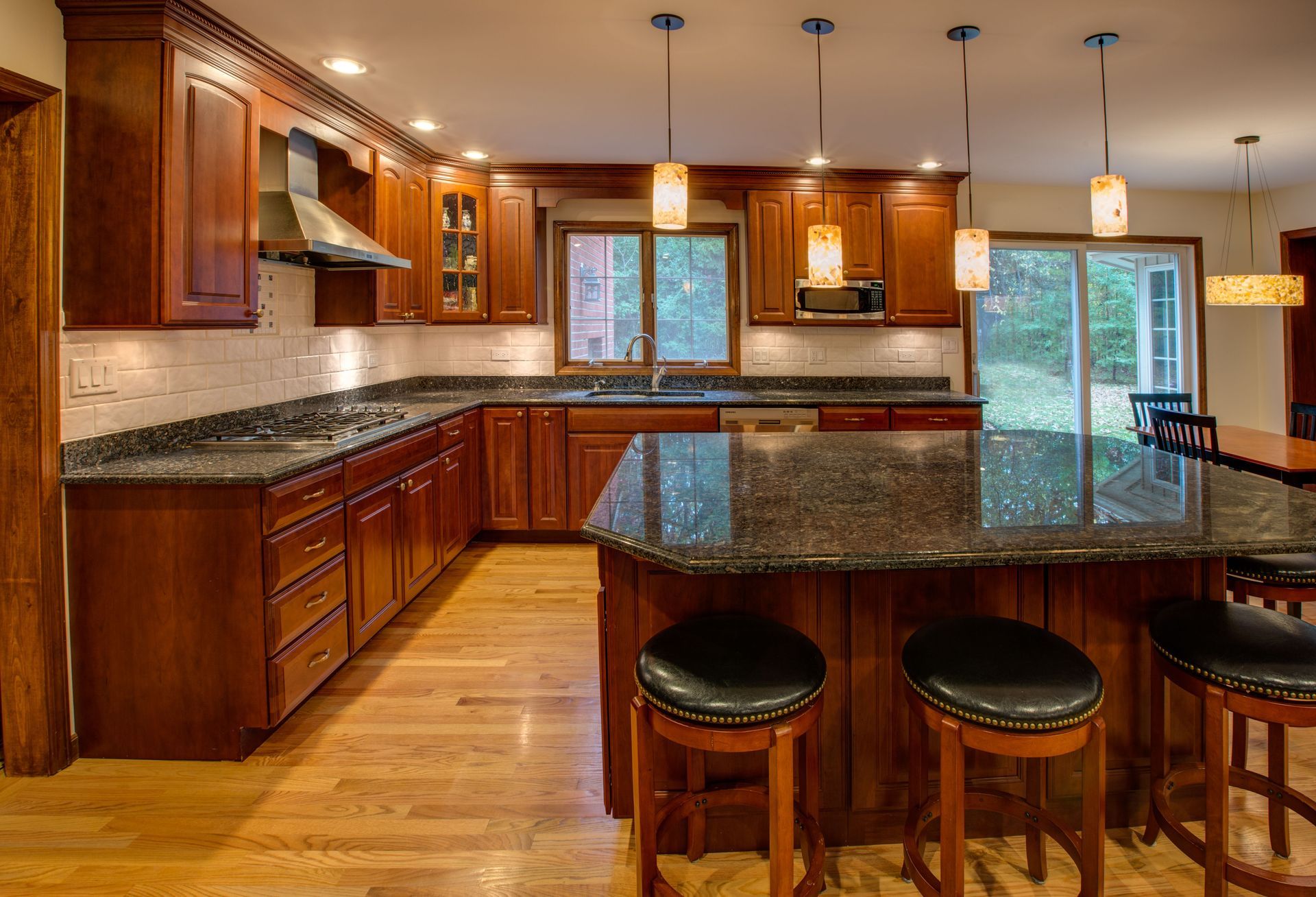
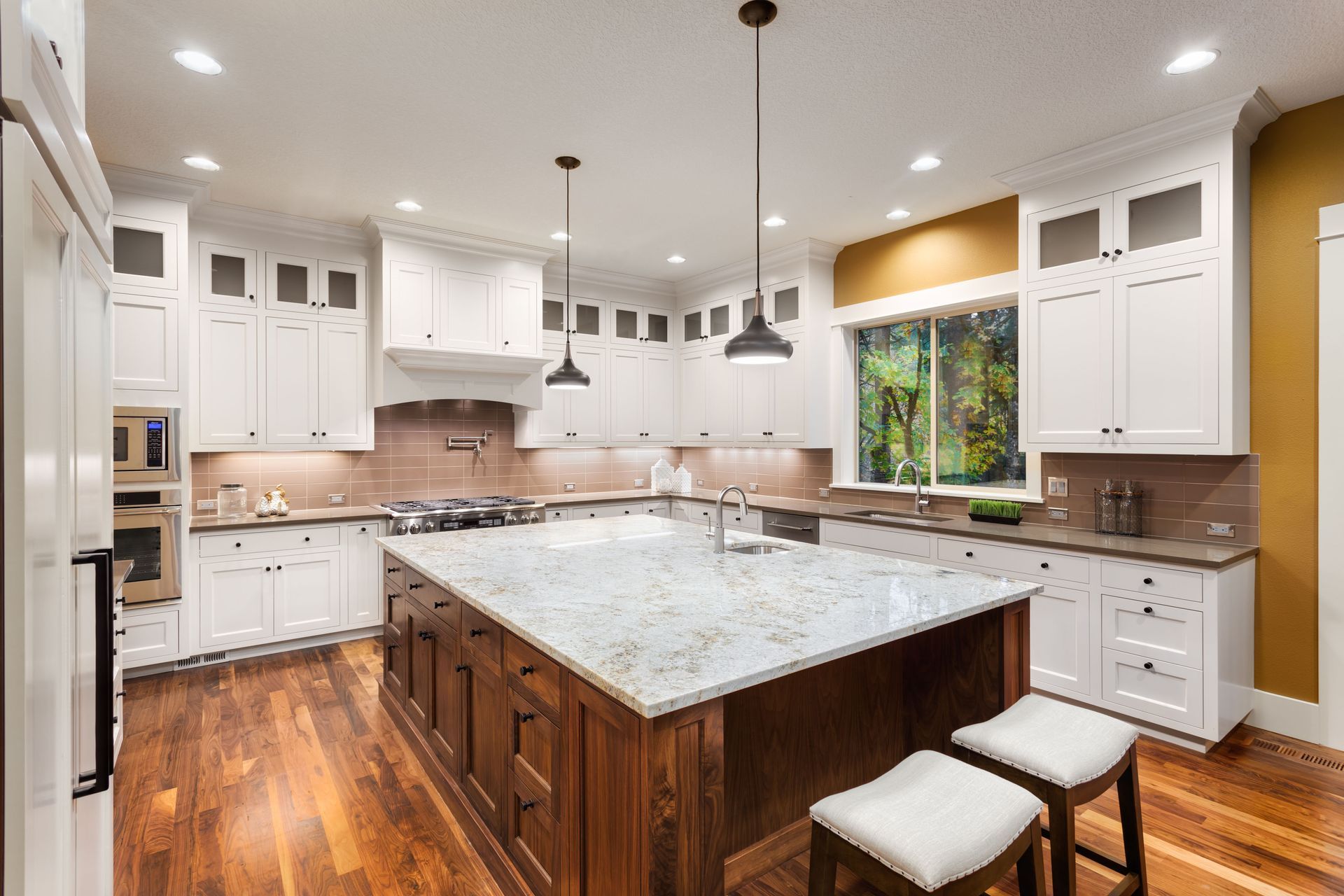
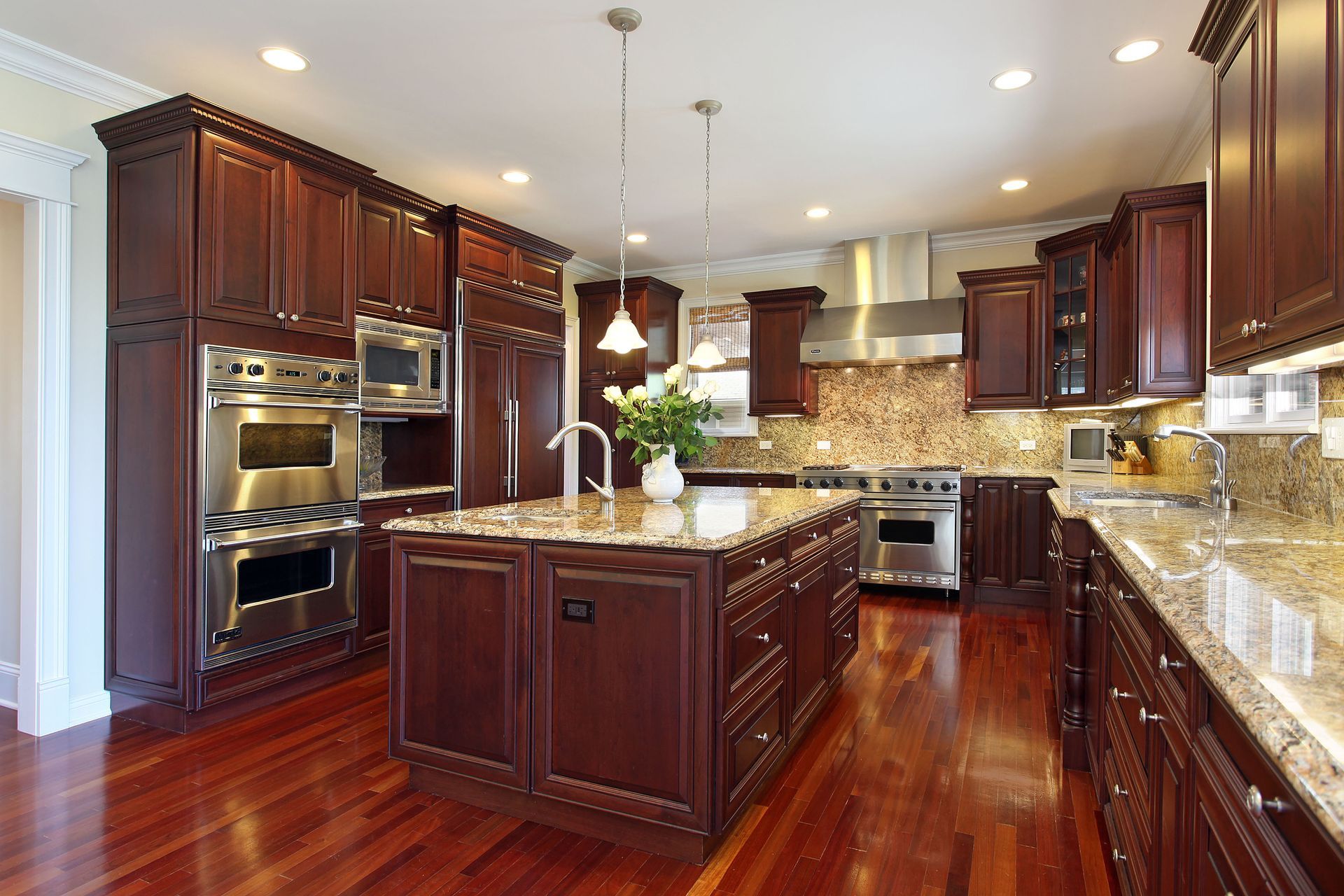
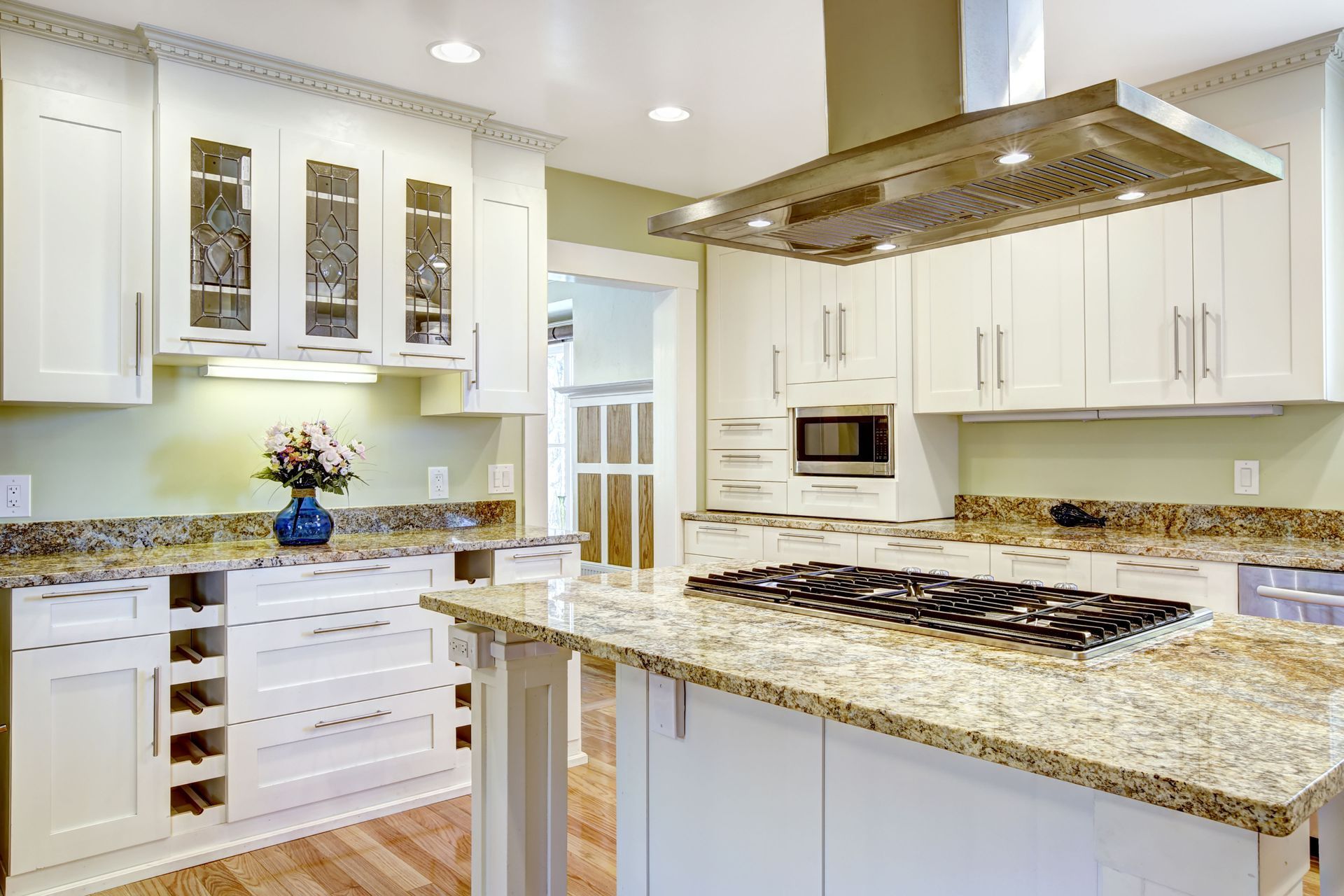
Aligning specific material selections with spatial limitations and interior architectural styles is absolutely critical for maximizing striking visual continuity and everyday operational flow. Successfully incorporating a premium granite countertop requires highly comprehensive structural evaluations of the existing structural support frameworks, as the substantial weight of thick natural stone slabs heavily demands rigid, reinforced cabinetry support foundations. Expansive kitchen layouts always adapt incredibly well to bold stone slabs featuring dramatic veining and varied tones, whereas compact rooms benefit significantly from much lighter, uniform patterns that visually widen limited residential areas quite easily. Selecting coordinating colors that complement cabinetry, ambient lighting, and flooring ensures a completely cohesive design scheme throughout the entire home, maximizing potential value.
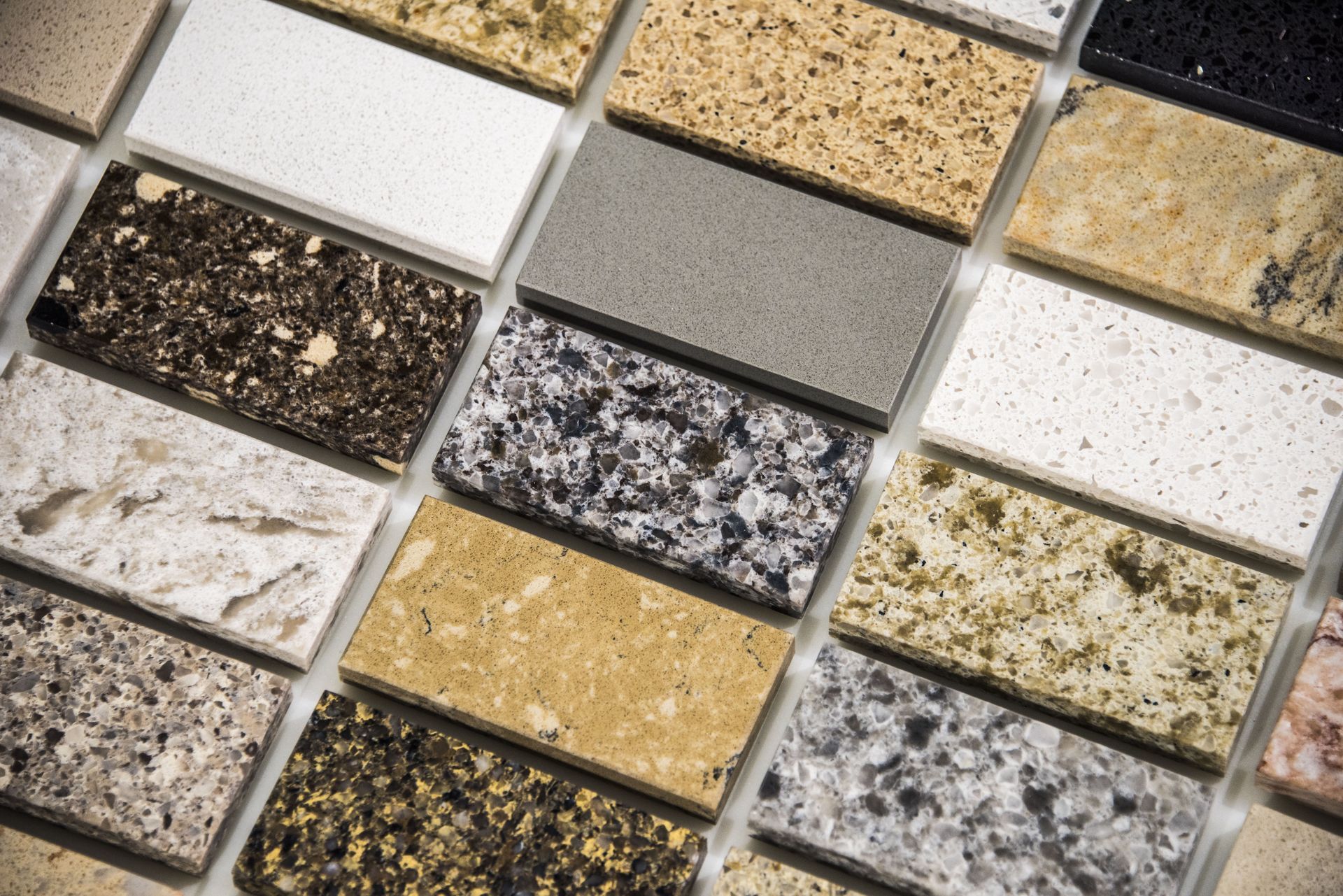
Budgeting appropriately remains an influential component of the planning process, requiring a balanced calculation that integrates immediate acquisition expenses with future returns on investment. Slabs are categorized into specific commercial, standard, and premium grades based on rarity, structural consistency, and country of origin, which creates flexible options across multiple spending tiers. Although alternative laminate or synthetic options present lower upfront costs, the prolonged durability and value retention of natural stone provide significant financial advantages over time. Evaluating these spatial dimensions and budgetary limits guarantees that the final selection fulfills daily utilitarian needs while enhancing overall real estate marketability.
Analyzing Surface Customizations, Finishing Techniques, and Edge Typologies
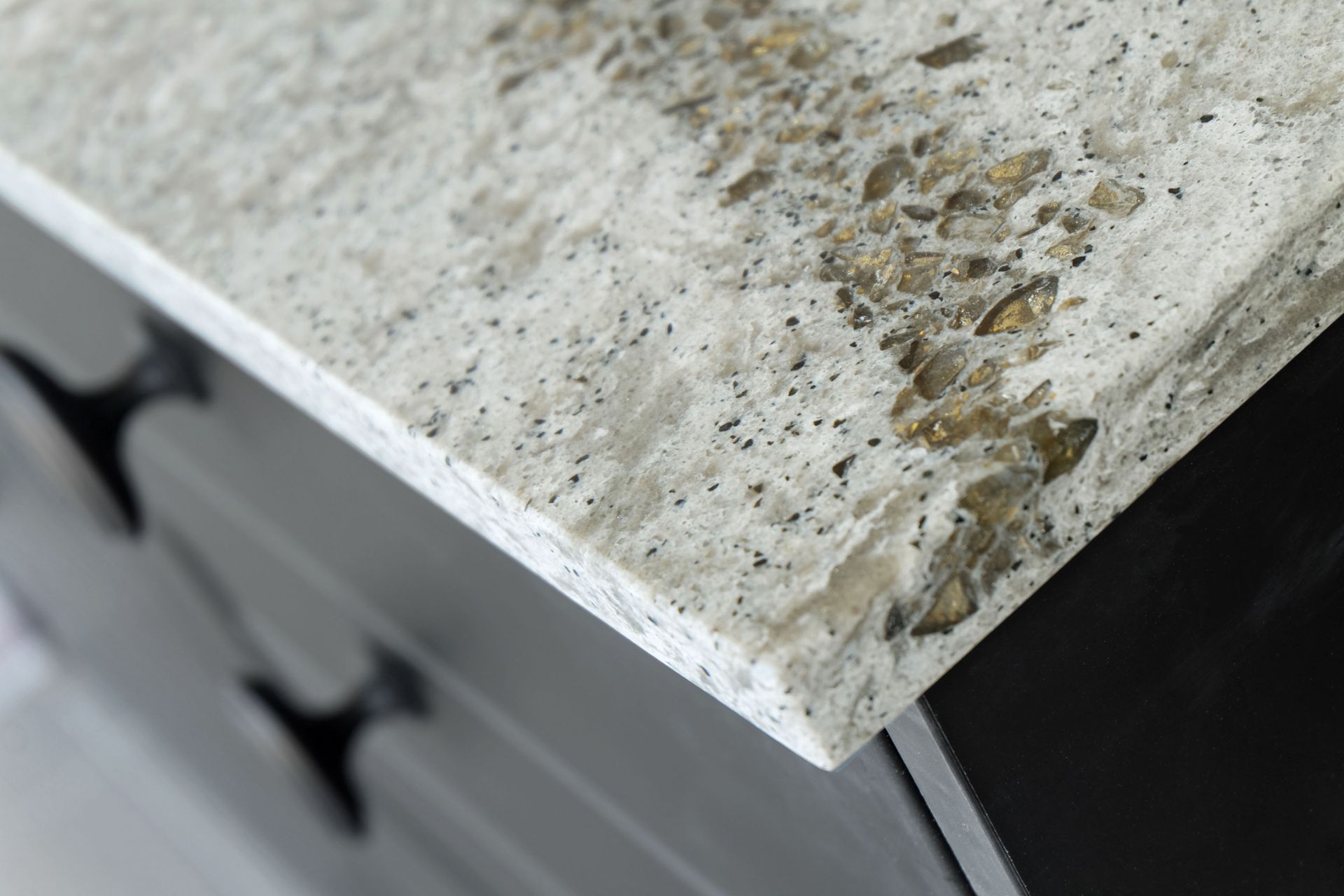
Customizing raw stone slabs into refined artistic features involves choosing specific surface treatments and edge profiles that match individual design goals. Selecting a polished finish amplifies the natural mineral highlights, providing a reflective, high-gloss surface that stands out as a luxurious focal point. Conversely, choosing a honed finish results in a smooth, matte texture that offers an understated appearance ideal for minimizing visible smudges or fingerprints. Homeowners seeking tactile depth can opt for leathered treatments, which retain natural variations while offering a textured surface that hides minor imperfections perfectly. These distinct finishing selections allow broad creative flexibility for property owners, directly transforming raw earth materials into customized architectural centerpieces.
Simple, straight, and cleanly eased edges provide crisp, unobstructed borders that beautifully complement modern architectural themes and simplify daily cleaning routines. Smooth, rounded profiles, such as bullnose or demi-bullnose edges, offer enhanced personal safety in high-traffic kitchens by removing sharp angles and reducing the risk of edge chipping from heavy impact. For more intricate, traditional aesthetics, detailed ogee profiles add classical elegance that accentuates the premium quality and craftsmanship of the stone installation, thereby increasing the property's overall structural sophistication and artistic appeal indefinitely. Incorporating these unique variations changes how light shifts across the room, giving the space an incredibly upscale, tailored atmosphere.
Selecting Qualified Fabricators and Reputable Sourcing Partners
Sourcing premium stone slabs requires identifying professional fabricators and suppliers who maintain strict quality standards and transparent commercial practices. Discerning buyers should tour local stone showrooms to personally examine active slabs, checking for natural fissures, color consistency, and uniform thickness across the material. Evaluating vendor credentials, reading client testimonials, and checking verified reviews helps identify professionals who consistently deliver precise cuts and dependable installation services. Transparent suppliers always provide detailed, itemized quotes that clearly break down material costs, cutting labor, delivery fees, and warranty coverages.
Securing a comprehensive service agreement ensures protection against material defects, manufacturing errors, and structural damage that could occur during transportation or final fitting. Reliable suppliers stand out by providing expert technical consultations, explaining the geological history of the stone, and offering precise recommendations for specific layouts. Engaging a fabricator who utilizes advanced digital templating tools ensures that complex cuts for sinks, cooktops, and wall seams align perfectly with existing household structures. Investing time into selecting a premier partner prevents costly installation errors and ensures a smooth transformation from raw material to finished installation.
Implementing Long-Term Preventative Care and Maintenance Protocols
Preserving the pristine appearance and structural integrity of a granite countertop requires the consistent execution of straightforward cleaning routines and defensive care habits. Daily sanitization should involve a soft cloth paired with pH-neutral stone detergents, avoiding acidic formulas or abrasive scrubbing pads that strip protective coatings. Spills from highly acidic fluids, such as citrus juices, vinegars, or wines, must be blotted immediately to prevent permanent etching or deep staining within the stone. Conducting a standard water-droplet test every year allows homeowners to quickly determine whether the surface requires a fresh layer of protective sealant.
Preventative practices also include using thick cutting boards during food preparation and placing heat-resistant trivets beneath hot cookware to avoid thermal shock to the sealant. Minor surface issues, including microscopic scratches or superficial chips, can be resolved using specialized stone polishing compounds or tinted epoxy repair kits. For significant structural impacts or deeply set stains, hiring a licensed restoration professional guarantees that the material is safely returned to its original state. Establishing these structured maintenance habits safeguards the home investment, ensuring the natural stone remains a beautiful and functional asset for generations.
A successful installation combines careful planning, precise architectural styling, and a clear understanding of natural stone performance. By evaluating the structural properties of raw stone, selecting appropriate finishes, and partnering with verified professionals, homeowners can secure an enduring asset that elevates residential functionality. Incorporating these durable features yields a dynamic balance between visual elegance and long-term utility throughout the home. Embracing these technical criteria ensures an informed purchase that enhances daily home life and maximizes long-term property values. For more information about the services that we offer, reach out to our incredible team at Zen Stoneworks today!
Share On: