
How to Properly Seal and Protect Your Quartz Countertops
Quartz countertops have rapidly become one of the most popular choices for modern kitchens and bathrooms thanks to their sleek appearance, exceptional durability, and low-maintenance appeal. Many homeowners choose engineered stone because it offers the luxurious aesthetic of natural marble or granite without requiring the intense upkeep typically associated with quarried slabs. According to Forbes, natural stone accounts for 93% of the composition in quartz countertops. This manufacturing process creates an extremely dense, non-porous surface that naturally resists moisture, bacteria, and everyday household stains. Understanding how to properly care for and maintain quartz countertops ensures that your investment retains its stunning luster and structural integrity for decades to come. Taking a few proactive steps today saves you significant time and effort on routine maintenance in the long run.
Understanding the Non-Porous Nature of Engineered Quartz
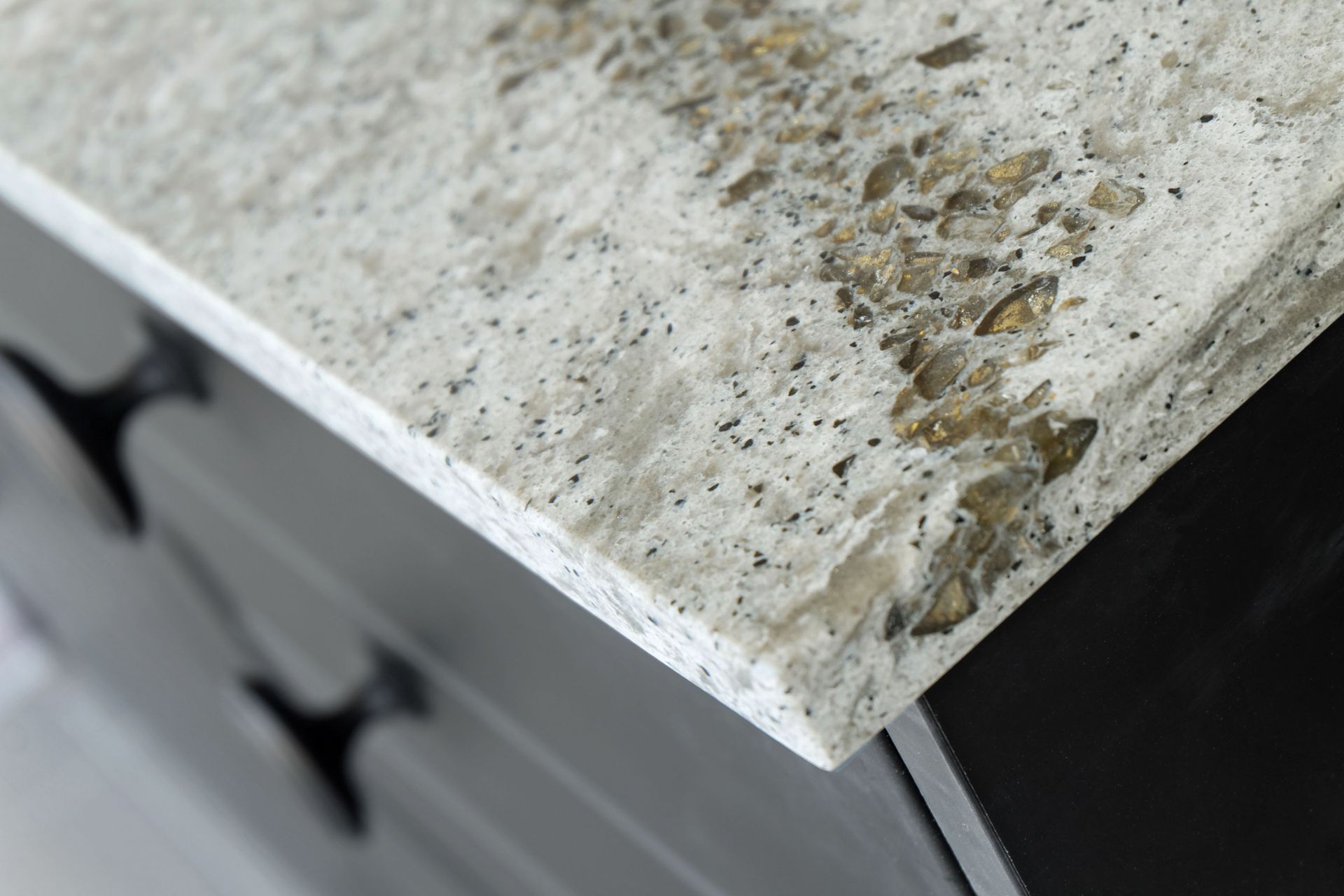
To care for your surfaces correctly, it is essential to understand how engineered stone differs from natural quarried materials like granite, marble, or slate. Natural stone contains micro-pores and capillary channels that absorb liquids, oils, and spills if not coated regularly with a penetrating chemical sealant. In contrast, engineered quartz countertops are bound together under intense heat and pressure with mineral resins, completely filling all internal voids and micro-pores. Because the resulting material has no open pores, liquid cannot penetrate beneath the surface to cause deep structural staining. Consequently, engineered quartz surfaces do not require traditional penetrating stone sealers, and applying such products can actually damage the surface by leaving a sticky, hazy residue that ruins the factory finish.
Establishing a Safe Daily Cleaning Routine
Maintaining the pristine finish of engineered quartz requires nothing more than a simple, consistent daily cleaning regimen. For general day-to-day cleanup, warm water mixed with a few drops of mild dish soap and a soft microfiber cloth works best. Wipe down the surface after food preparation to clear away loose crumbs, grease splatters, and water spots before they dry. Avoid using rough abrasive scrub pads, wire brushes, or steel wool, as these physical abrasives can create micro-scratches on the resin polished finish over time. After washing the surface with soapy water, wipe it down a second time with a clean, damp cloth to remove any remaining soap film, then dry it thoroughly with a towel to reveal a streak-free shine. Keeping a dedicated microfiber cloth handy near the sink makes quick daily wipe-downs completely effortless. Establishing this simple habit keeps your surfaces looking freshly installed after every meal.
Protecting the Surface From Extreme Heat Damage
While engineered stone handles normal daily kitchen activities with ease, thermal shock remains one of its few vulnerabilities. The polymer resins used to bind the crushed stone together are sensitive to extreme temperatures and can discolor, burn, or crack if exposed to sudden high heat. Placing hot frying pans, slow cookers, roasting pans, or toaster ovens directly onto unprotected quartz countertops can permanently damage the underlying resin matrix. To safeguard your surfaces against heat damage, always utilize protective trivets, heavy hot pads, or heat-resistant rubber mats beneath heated cookware and electrical kitchen appliances. Taking this simple preventative precaution shields the resin layer and prevents unsightly thermal burn rings. Keeping extra hot pads easily accessible near your stove ensures you never have to set a hot dish down directly on the stone.
Avoiding Harsh Chemical Cleaners and Solvents
The chemical composition of engineered surfaces means that certain industrial and household cleaning agents can cause severe surface etching or dullness. Avoid using highly alkaline or strongly acidic cleaning solutions, such as oven cleaners, drain openers, bleach, ammonia, paint strippers, or concentrated toilet bowl cleaners. Chemical agents with extreme pH levels break down the bond between the mineral quartz particles and the binding resins, causing permanent surface pitting and discoloration. If an aggressive chemical accidentally spills on your counter, flush the area immediately with generous amounts of clean water and mild soap to neutralize the compound. Sticking to pH-neutral stone cleaners or basic dish soap keeps your quartz countertops protected against chemical degradation.
Preventing Physical Scratches and Surface Chipping
Engineered quartz rates extremely high on the Mohs hardness scale, making it remarkably resistant to scratches during routine domestic use. However, high hardness does not mean the material is completely indestructible against sharp objects or concentrated impacts. Slicing meat, chopping vegetables, or using sharp kitchen knives directly on the surface can dull your cutlery and leave fine micro-scratches on the resin coat. Always use dedicated wooden or plastic cutting boards for all food prep tasks to protect both your knife edges and your counter surfaces. Additionally, avoid dropping heavy cast-iron cookware, glass bottles, or stone dishes onto the exposed outer edges or sink cutouts, as concentrated sharp impacts can chip the stone border. Taking extra care when loading heavy cookware into the sink prevents accidental edge collisions that can chip the polished rim.
Managing Tough Stains and Dried Spills Safely
Despite its non-porous structure, dried food residue, stubborn grease spots, or food dyes can sometimes leave temporary surface marks on light-colored counters. When dealing with dried spills like hardened syrup, candle wax, or dried sauce, gently scrape the residue away using a plastic putty knife or a plastic scraper held at a low angle. For stubborn oil spots or coffee rings, apply a gentle pH-neutral stone cleaner or a mild glass cleaner and allow it to sit for a few minutes to break down the grime. Afterwards, wipe the area clean with a non-abrasive sponge and warm water. Never use harsh abrasive scouring powders, bleach-based pastes, or acetone, as these harsh substances strip away the surface polish. Patience and gentle cleaning methods will always yield better results than aggressive scrubbing.
Utilizing Specialized Polishers to Enhance Luster
While traditional penetrating sealers are completely unnecessary, applying a formulated, non-wax stone polish specially designed for engineered surfaces can periodically refresh the original factory sheen. Over months of routine cooking and wiping, micro-thin layers of water deposits or soap film can subtly mute the natural reflective quality of your counters. Spraying a specialized, resin-safe polish once every few months adds a smooth, micro-protective coating that helps repel fingerprints, water spots, and daily smudges. Using these surface-safe conditioners keeps your quartz countertops feeling silky smooth while restoring that vibrant, mirror-like gloss across your entire kitchen layout.
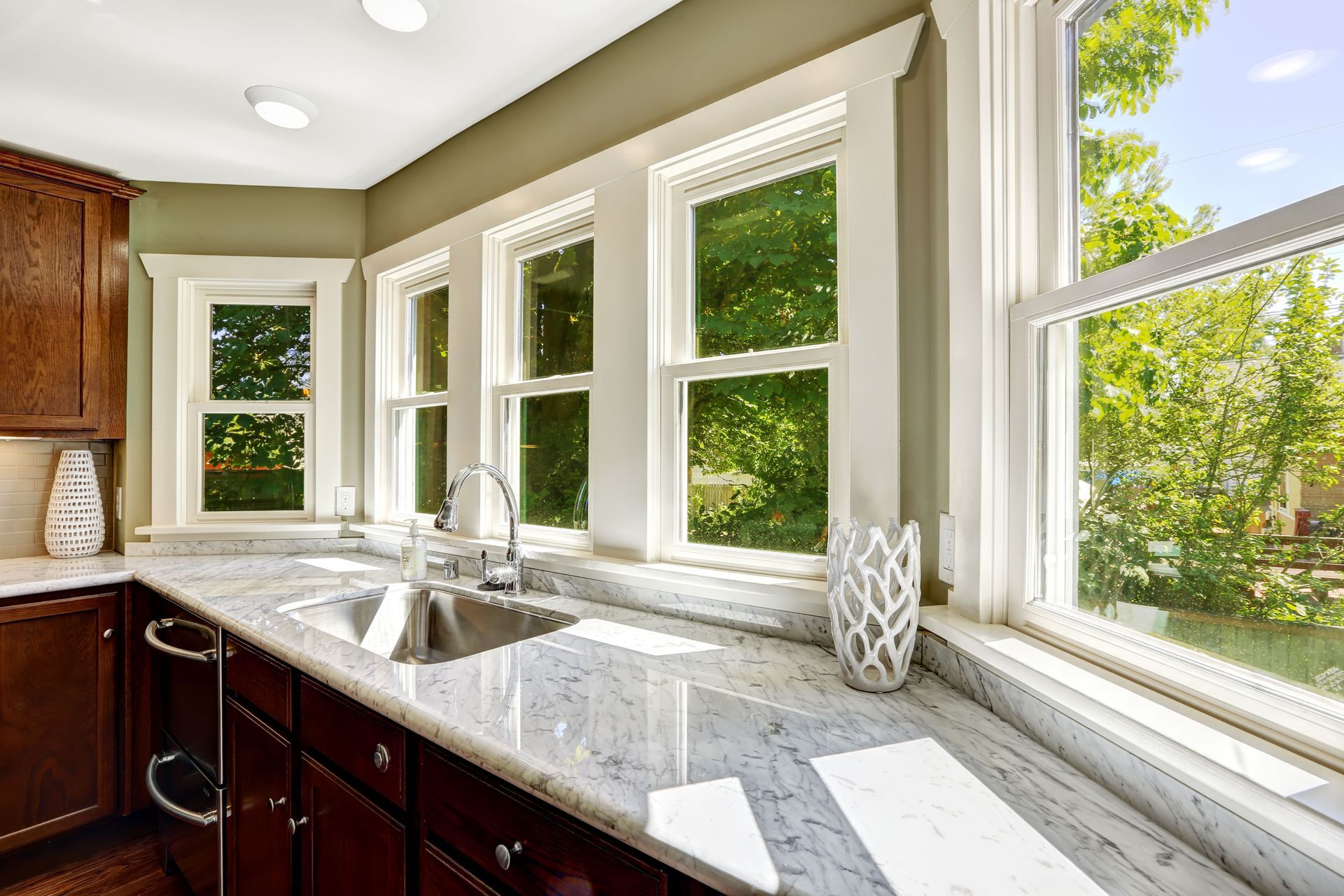
Preserving the factory shine of your kitchen surfaces comes down to consistent preventative care and smart daily habits rather than complex chemical treatments. Sunlight exposure can also affect engineered stone over time, as prolonged ultraviolet radiation causes the binding resins to yellow or fade gradually. If your kitchen features large windows that cast direct sunlight across your counters, consider using window blinds, sheer curtains, or UV-filtering window film to block harsh solar rays. By practicing routine cleaning, shielding surfaces from extreme heat, avoiding harsh chemicals, and using cutting boards, your quartz countertops will maintain their vibrant color, smooth texture, and elegant polished luster for many years to come. Thoughtful care ensures your kitchen surfaces look just as stunning decades down the road as they did on the day they were installed. A small amount of ongoing care preserves both the cosmetic beauty and the total resale value of your home. Contact Zen Stoneworks today to discover our premium selection of engineered quartz surfaces and schedule a custom consultation with our stone experts.

Share On: